

 2022/05/13
In many imaging applications, a camera is required to detect both very strong and very weak signals within the same field of view. This applies not only to scientific imaging, but also to industrial inspection and machine vision systems. Dynamic range describes how well a camera can handle this challenge, defining the span between the strongest signal it can record without saturation and the weakest signal it can distinguish above the noise floor.
Despite its importance, detailed analysis of dynamic range is still largely limited to specialized scientific domains. In industrial and consumer imaging, it is often understood primarily as an indicator of a camera’s ability to handle bright and dark regions, while its underlying principles remain less explored in practical terms. This article will therefore approach dynamic range from a more fundamental and application-oriented perspective, helping bridge this gap.
Why Dynamic Range Matters in Scientific Imaging?
Dynamic range describes how effectively a camera can record both strong and weak signals within the same image. In scientific imaging, this capability is critical because many real-world scenes contain a wide variation in signal intensity, from bright features that risk saturation to faint details that sit close to the noise floor.
A camera with higher dynamic range is better able to preserve information across this full range. It can capture bright regions without losing detail to saturation while still maintaining sensitivity to weak signals. This balance directly affects overall image quality, especially in applications where both extremes are present simultaneously.
The importance of dynamic range becomes even more apparent in imaging tasks where intensity varies significantly across the field of view. For example, when both strong and weak signals must be recorded in a single acquisition, insufficient dynamic range can lead to clipped highlights or missing low-level detail.
In addition to visual image quality, dynamic range can also influence measurement accuracy. In workflows that rely on detecting or comparing signal intensities, the ability to distinguish differences across a wide range can improve the reliability of the results.
How Full Well Capacity and Read Noise Shape Dynamic Range?
Dynamic range is fundamentally determined by the relationship between a sensor’s signal capacity and its noise floor. At the upper end, dynamic range is limited by the maximum number of electrons a pixel can hold before saturating, commonly referred to as full well capacity. At the lower end, it is limited by the minimum signal that can be distinguished from noise, often represented by read noise.
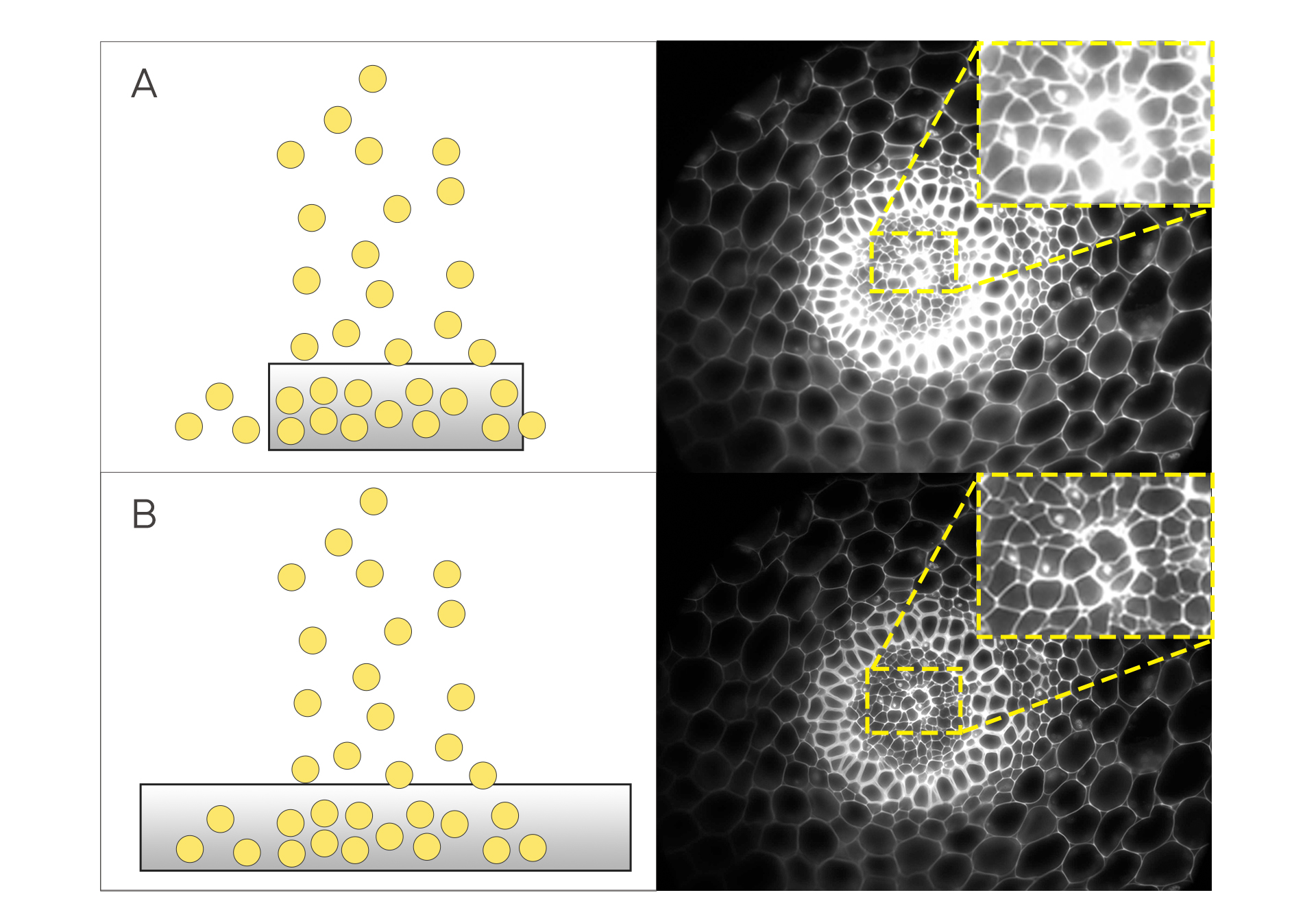
Figure 1 visualizes the relationship between full well capacity and dynamic range.
Figuer 1A : The low full well capacity makes the image lost bright signals information.
Figuer 1B : The high full well capacity make the image get full information from weak to bright signals.
Full well capacity defines how much signal a pixel can accumulate before it becomes saturated. If this capacity is too low, bright regions in an image can quickly exceed the sensor’s limits, causing a loss of detail in high-intensity areas. Once saturation occurs, additional signal cannot be recorded, and information in those regions is permanently lost.
At the opposite end, read noise sets the threshold for detecting faint signals. When signal levels are close to the noise floor, it becomes difficult to distinguish real signal from background variation. If read noise is too high, weak details may not be reliably captured, even if they are present in the scene.
Dynamic range is therefore not defined by a single parameter, but by the balance between these two limits. A camera with large full well capacity but high noise may still struggle to detect faint signals, while a camera with very low noise but limited signal capacity may lose information in bright regions.
Dynamic range is often described as the ratio between these two limits, sometimes expressed in decibels (dB), such as:

In practical imaging, achieving a wide dynamic range requires both sufficient signal capacity and low noise performance working together.
Why a High Dynamic Range Number Does Not Tell the Whole Story?
A quoted dynamic range value can be a useful starting point when comparing high performance scientific and industrial cameras, but it should not be interpreted in isolation. In practice, dynamic range is not a fixed characteristic under all conditions. Reported values can vary depending on camera mode, gain setting, and measurement methodology, which means that a single number does not always represent how the camera will perform in a specific workflow.
For this reason, a higher dynamic range specification does not automatically translate into better performance for every application. The practical benefit depends on whether the imaging task actually requires capturing both very bright and very weak signals within the same frame. If the signal range in the scene is limited, the advantage of a higher dynamic range may be less noticeable.
It is also important to consider how dynamic range interacts with other camera characteristics. Factors such as quantum efficiency, read noise, exposure conditions, and frame rate all influence how effectively a camera captures usable image data. A camera with a higher dynamic range on paper may not always deliver better results if other aspects of performance are more limiting in the application.
In practical terms, dynamic range should be evaluated as part of a broader system-level performance profile rather than as a standalone specification.
When Dynamic Range Should Be a Priority?
Dynamic range becomes especially important in imaging situations where both bright and weak signals must be captured within the same frame. This applies across scientific research and industrial inspection scenarios.
This is particularly relevant in applications where signal intensity varies significantly across the field of view. When strong and weak signals are present simultaneously, insufficient dynamic range can lead to clipped highlights or missing low-level detail. In measurement-focused workflows, this limitation can also reduce the accuracy of intensity comparisons.
Dynamic range should also be prioritized when highlight saturation would directly affect the outcome of the imaging task. Once a region becomes saturated, no additional signal information can be recovered, which may impact both visualization and quantitative analysis. Similarly, when faint signals are critical, sufficient dynamic range helps ensure they remain detectable and distinguishable from noise.
However, dynamic range is not always the first specification to consider. In lower-contrast scenes, such as controlled illumination inspection systems, the practical benefit of a higher dynamic range may be smaller. In some workflows, other factors such as quantum efficiency, read noise, frame rate, or system throughput may have a greater impact on performance.
For this reason, dynamic range should be prioritized when the application truly demands it, rather than treated as the most important specification in every situation.
A Practical Checklist for Evaluating DR in a Camera System
When evaluating dynamic range, it is helpful to move beyond the specification value and consider how it applies to the actual imaging workflow: The following questions can serve as a quick reference when comparing camera performance:
● Does the scene contain both bright and weak signals?
Dynamic range is most important when strong and faint signals must be captured in the same image.
● Is highlight saturation a real risk in this application?
If bright regions are likely to saturate, higher dynamic range can help preserve critical information.
● Are faint signals important for detection or measurement?
When weak signals must remain visible above the noise floor, sufficient dynamic range becomes essential.
● Under what conditions is the dynamic range specified?
Check whether the quoted value depends on gain settings, camera mode, or other measurement conditions.
● Are other factors more limiting than dynamic range?
In some workflows, quantum efficiency, read noise, frame rate, or overall sensitivity may have a greater impact on performance. For readers who want a broader introduction to quantum efficiency and how it is interpreted in scientific cameras, see Quantum Efficiency in Scientific Cameras: A Beginner’s Guide.
● Does the camera provide the right overall balance?
The best choice is not always the highest dynamic range, but the camera that fits the full set of imaging requirements.
This checklist can help translate a single specification into a more practical evaluation, ensuring that dynamic range is considered in the right context.
Conclusion
Dynamic range is a key specification in scientific and industial imaging because it defines how well a camera can capture both strong and weak signals within the same frame. A wider dynamic range helps prevent saturation in bright regions while preserving faint detail, improving both image quality and measurement reliability in demanding applications.
At the same time, dynamic range should not be evaluated in isolation. The practical value of a high dynamic range depends on the imaging conditions, the signal variation in the scene, and how the camera performs in terms of noise, sensitivity, and exposure flexibility. In many cases, the best camera is not simply the one with the highest dynamic range, but the one that provides the right balance for the workflow.
For users working with applications that involve wide signal variation or low-light conditions, understanding how dynamic range interacts with other performance factors can lead to more reliable camera selection. Tucsen provides scientific camera solutions and technical resources to help evaluate the right system for your imaging needs.
Related article: For a broader introduction to dynamic range fundamentals and how it is calculated, read The Science of Dynamic Range: How to Calculate and Why It Matters.
Tucsen Photonics Co., Ltd. All rights reserved. When citing, please acknowledge the source: www.tucsen.com


