

 2026/07/15
Common Misconceptions in High-Speed Imaging
In high-speed imaging, frame rate is often the most visible and easily quantified metric. It is commonly assumed that once frame rate and data bandwidth are sufficient, the system can handle demanding high-speed applications.
However, several misconceptions frequently arise:
“High-speed signals are typically strong, so SNR is not a concern.”
“Exposure times are extremely short, making dark current and cooling irrelevant.”
“Speed is mainly an efficiency issue—algorithms can compensate for any data limitations.”
While these assumptions may hold in low-speed or purely qualitative imaging, they fail in quantitative, time-resolved, or transient measurements. In such scenarios, insufficient SNR leads to a critical issue: data that is fast but not reliable or physically meaningful.
SNR Constraints Under High-Speed Conditions
Even under high-speed operation, signal-to-noise ratio follows the classical noise model:
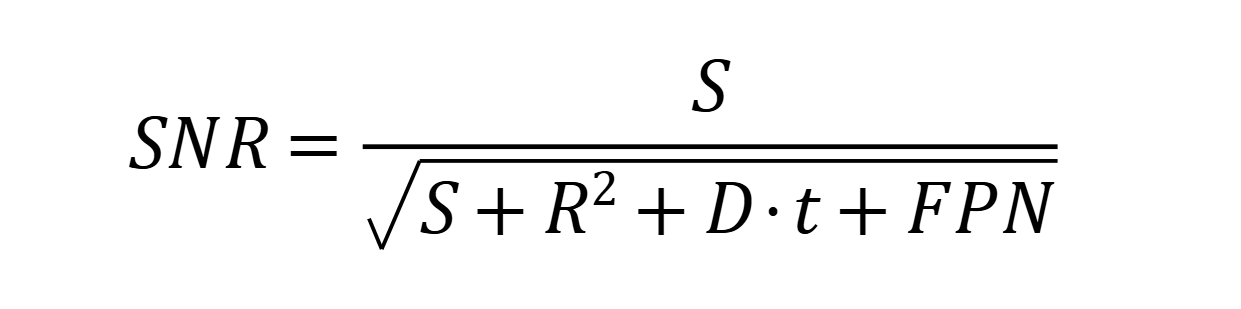
Where:
S: Signal electrons (photon count, QE, pixel size)
R: Read noise
D: Dark current
t: Exposure time
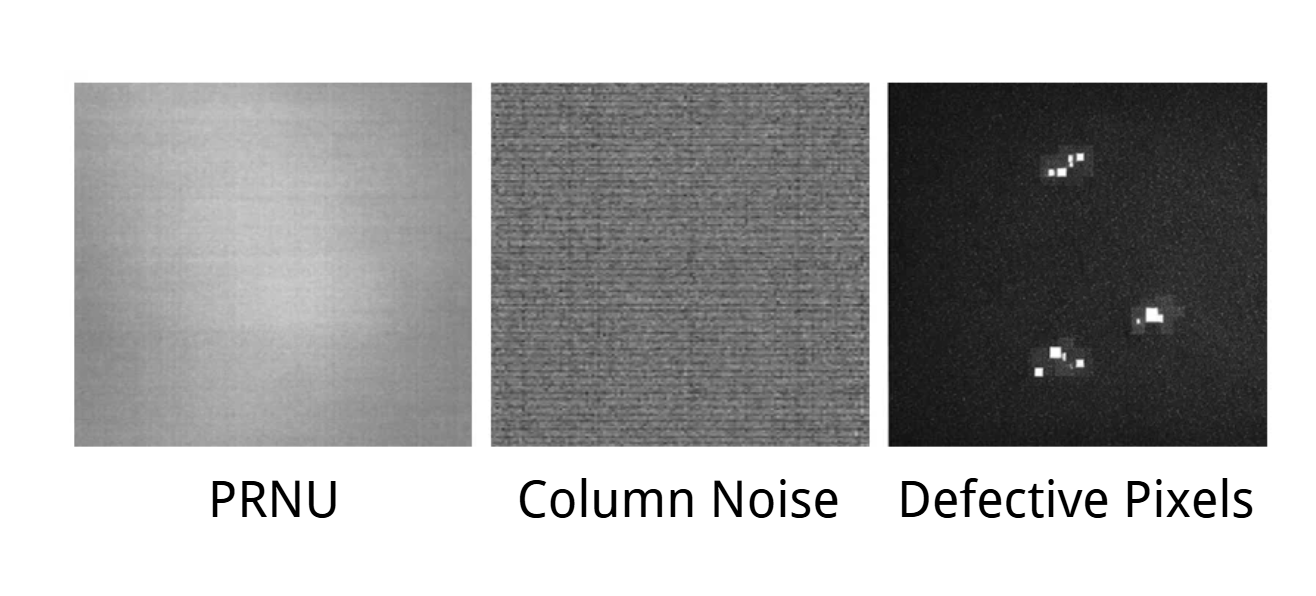
FPN: Fixed pattern noise (PRNU, DSNU, column noise, defective pixels)
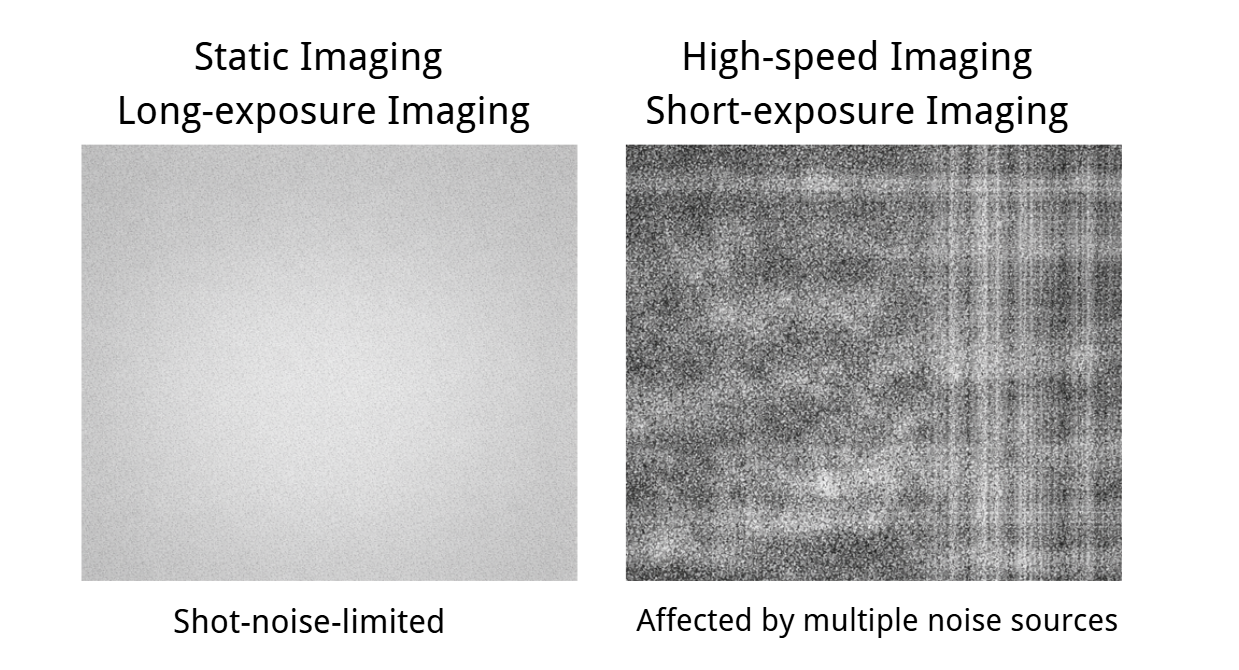
The fundamental constraint comes from time compression. As exposure time decreases, photon counts per frame drop significantly, weakening the signal. At the same time, noise components—especially fixed pattern noise—become more prominent because there is less temporal averaging.
FPN and other structural noise sources are not new, but under high-speed continuous acquisition, they are “unmasked” and can dominate measurement uncertainty. As a result, high-speed imaging becomes a problem of managing system-level uncertainty rather than simply increasing frame rate.
Key Risks in High-Speed Imaging Systems Limited Exposure Time and Signal Statistics Distortion
With shorter exposure times, the number of collected photons per frame is inherently limited. This leads to increased sensitivity to read noise, dark noise, and fixed pattern noise, especially in low-light, spectrally selective, or phototoxicity-limited conditions.
Typical applications include:
l Neuroscience: transient neural spikes and calcium imaging
l Semiconductor inspection: fast transient defects
l Industrial diagnostics: vibration, shock, and impact analysis
Optimization strategy: Improve photon efficiency and maximize usable signal per frame while minimizing total noise contribution.
Continuous Operation and Baseline Drift
During prolonged high-speed acquisition, sensors and readout electronics may introduce low-frequency instability. Local heating effects and reduced correction intervals can result in baseline drift and frame-to-frame variation.
This directly impacts reproducibility and measurement consistency in applications such as:
1) Fluid dynamics and material science
2) Semiconductor and display inspection
3) Battery and energy system diagnostics
Optimization strategy: Maintain thermal stability and suppress low-frequency noise through hardware-level control.
Algorithm Dependence and Data Fidelity Risks
To improve visualization, high-speed imaging workflows often rely on denoising, enhancement, or reconstruction algorithms. However, these can unintentionally alter temporal dynamics or statistical distributions of the signal.
This is particularly critical in:
l Biological imaging of transient processes
l Photon statistics in physics experiments
l AI training datasets for defect detection
Optimization strategy: Ensure algorithms preserve physical signal integrity and avoid introducing bias into quantitative analysis.
Tucsen Solutions for High-Speed SNR Optimization
Tucsen addresses these challenges through a system-level design approach that integrates sensor performance, calibration, thermal management, and data processing:
High-sensitivity, high-speed camera architecture
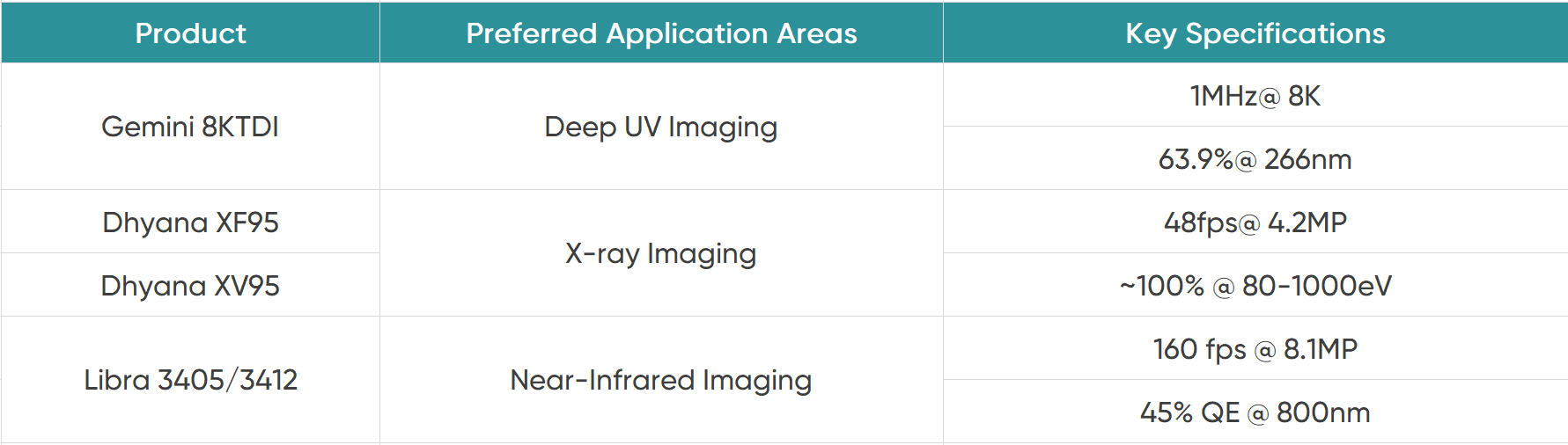
Since 2020, Tucsen has developed both area-scan and line-scan cameras optimized for high-speed applications across UV, X-ray, and near-infrared bands. These systems balance frame rate with quantum efficiency to improve signal capture under limited exposure conditions.
Structured noise modeling and correction
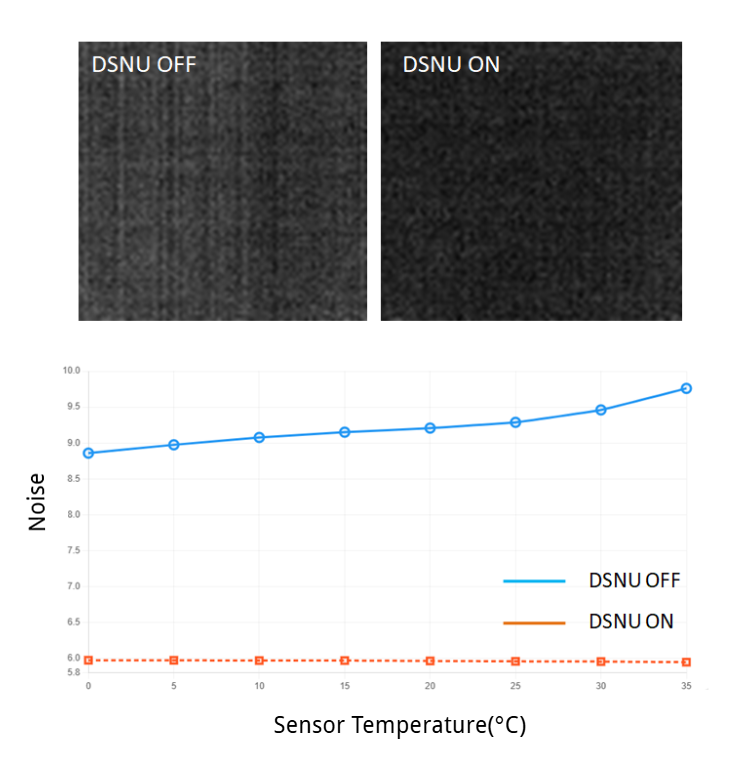
Advanced calibration and correction techniques target PRNU, DSNU, defective pixels, and column noise, reducing fixed pattern noise at its source rather than relying solely on post-processing.
TEC-based cooling and thermal control
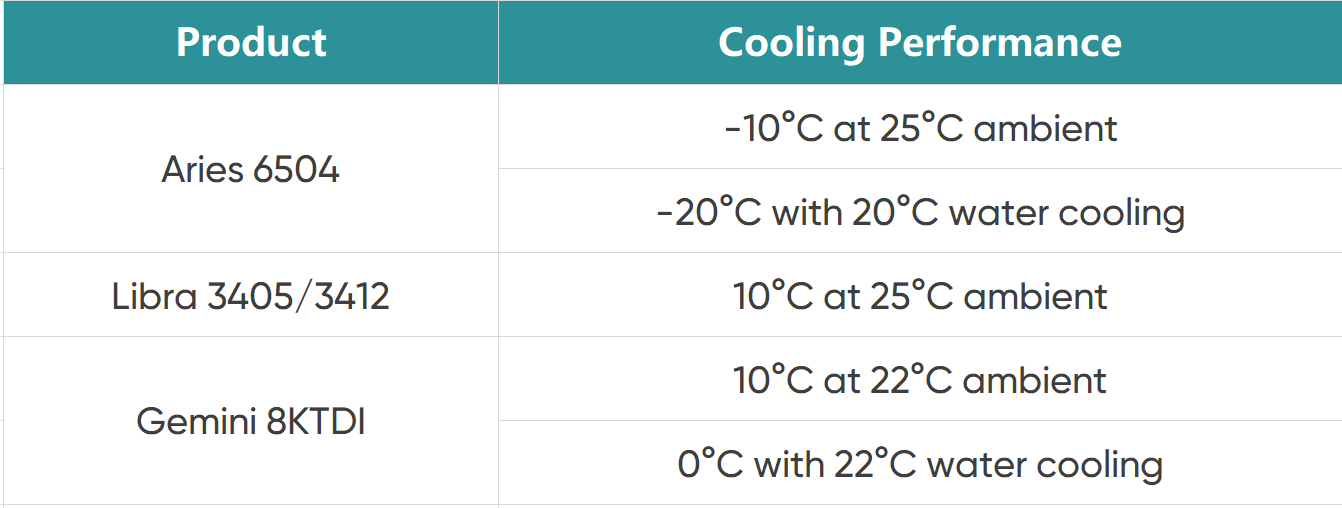
All high-speed cameras integrate chip-level TEC cooling to stabilize sensor temperature. This not only reduces dark current but also minimizes baseline drift and operating point fluctuations during continuous acquisition.
Flexible software and SDK integration
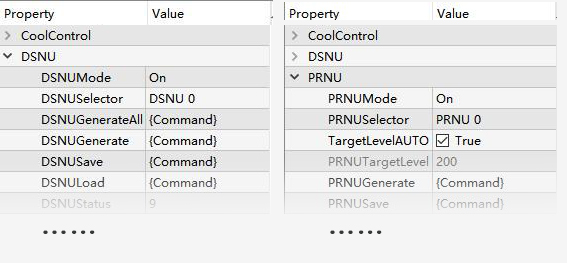
Tucsen’s Mosaic software and SDK support enable real-time visualization, parameter tuning, and system-level integration. This allows users to balance noise suppression and signal fidelity while ensuring that processed data remains physically meaningful.
Conclusion
Advances in quantum computing often depend less on stronger signals and more on more reliable interpretation of weak signals.
In neutral atom systems, performance is defined by how well the full imaging chain captures, resolves, and transfers information.
The Aries 6504 Pro is designed to meet this need. It is not only an imaging device, but a system-level solution for quantum state readout and experimental control.


